About the book
A story about family, community, and building a brighter future
Available in English and Spanish. Written for children roughly ages 6 to 12, and for the adults who read alongside them.
What the book is about
Seguimos Aquí follows one Puerto Rican family through a single, ordinary turning point: a letter arrives, and the rent is going up. What follows is not a lecture about money. It is a series of questions a child would actually ask, answered plainly by the people who love them.
Along the way the story introduces renting and owning, what a mortgage is, why saving matters, and why education opens doors — always inside a family's real life, never as a worksheet.
The message is not simply "buy a house." It is that a child's background does not determine their future, and that ownership, stability, and belonging are things families can build together.
The meaning of "Seguimos Aquí"
Seguimos aquí means we're still here. It is what families say when the storms pass, when the neighbors move away, when the rent goes up and staying takes work. It is stubborn, tender, and proud all at once — a way of saying this is our home, our stories continue here, and we are not finished.
For classrooms and families
What children will learn
Seven ideas, introduced in a child's language and grounded in a family they can recognize.
Saving money
Why putting something aside — even a little — changes what a family can do later.
Understanding rent
What it means to live in a home that belongs to someone else, and why rent can change.
Understanding ownership
What changes for a family when the home is theirs — stability, choice, and staying put.
What a mortgage is
A loan for a home, explained the way you'd explain it to a curious ten-year-old.
Financial confidence
That money is a subject they're allowed to ask about, and allowed to be good at.
Family & community
Why neighbors, elders, and community are part of what makes a place worth staying in.
Generational wealth
That what one generation builds can be handed to the next — and why that matters here.
Why homeownership and financial literacy should be introduced early
Children form beliefs about money long before anyone teaches them anything about it. They absorb whether a home is something a family can own or only rent, whether savings are possible, and whether the future is something they get to choose.
By the time financial education arrives — if it arrives at all — many of those beliefs are already set. Introducing these ideas in elementary school does not turn children into bankers. It gives them the vocabulary and the expectation that these are conversations they belong in.
And when the story is set in their own neighborhood, in their own language, with a family that looks like theirs, the lesson stops being abstract.
Who you'll meet
Character art from the book's illustration guide.

Jariel
Age 10–12
Curious, observant, and always asking why. He loves baseball and wants to know how everything works.
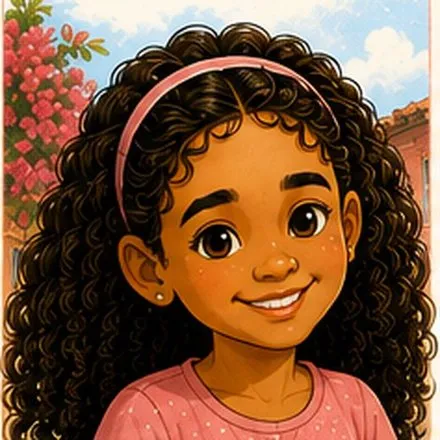
Roselyn
Age 7–8
Thoughtful and sweet, she notices what others miss. She loves numbers and lists, and looks up to her brother.
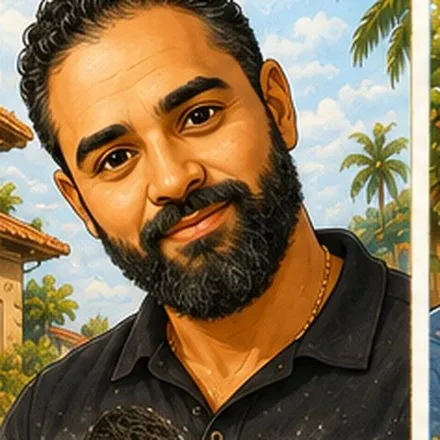
Papi Roberto
Dad
Hardworking, calm, and dependable. He fixes houses all day and believes education opens doors.
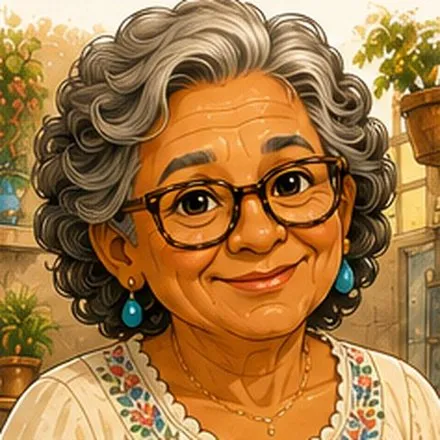
Abuelita Débora
Grandmother
The heart of the family. A great cook and a storyteller who keeps the traditions alive.
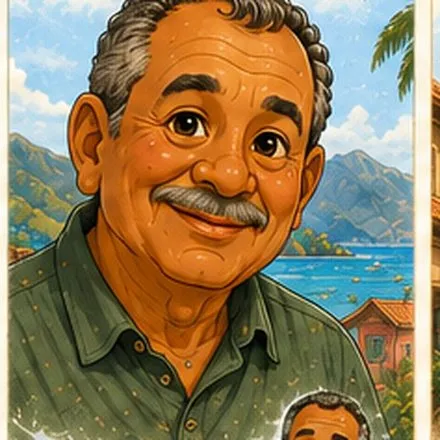
Abuelito Roberto
Grandfather
He remembers how things used to be, and teaches life lessons through the history he carries.

Mr. Esperanza
The neighbor
A patient mentor and handyman who explains homeownership in simple words and believes in community ownership.